

Introduction
In the world of event planning, one of the most effective ways to create a memorable experience and foster a sense of unity is through customized clothing. Screen-printing, a versatile and enduring technique, stands out as a top choice for producing high-quality, personalized apparel. Whether it’s for corporate gatherings, charity runs, music festivals, or family reunions, screen-printed t-shirts and clothing add a professional and cohesive touch. This blog post explores the benefits, process, and tips for screen-printing apparel for your next event.
Benefits of Screen-Printing for Events
- Durability and Quality: Screen-printing uses thick layers of ink that result in vibrant, long-lasting designs. Unlike other methods, the colors in screen-printed items don’t easily fade or crack, making them ideal for enduring the wear and tear of events.
- Cost-Effective for Bulk Orders: For large events, ordering screen-printed clothing in bulk can be very cost-effective. The more items you print, the lower the cost per unit, making it an economical choice for large groups.
- Versatility: Screen-printing isn’t just for t-shirts. This method can be used on various fabrics and clothing items, including hoodies, tote bags, caps, and more, allowing for a wide range of branded merchandise.
- Customization: With screen-printing, the possibilities for customization are virtually endless. You can choose different colors, designs, and placements to perfectly match your event’s theme and branding.
The Screen-Printing Process
- Design Creation: The first step in screen-printing is creating the design. This can be done digitally using graphic design software. Ensure the design is clear and at a high resolution to achieve the best print quality.
- Screen Preparation: Once the design is ready, it is transferred onto a screen. A screen is a fine mesh stretched over a frame, coated with a photosensitive emulsion. The design is then exposed onto the screen using UV light, hardening the emulsion where the light hits and leaving the design area soft.
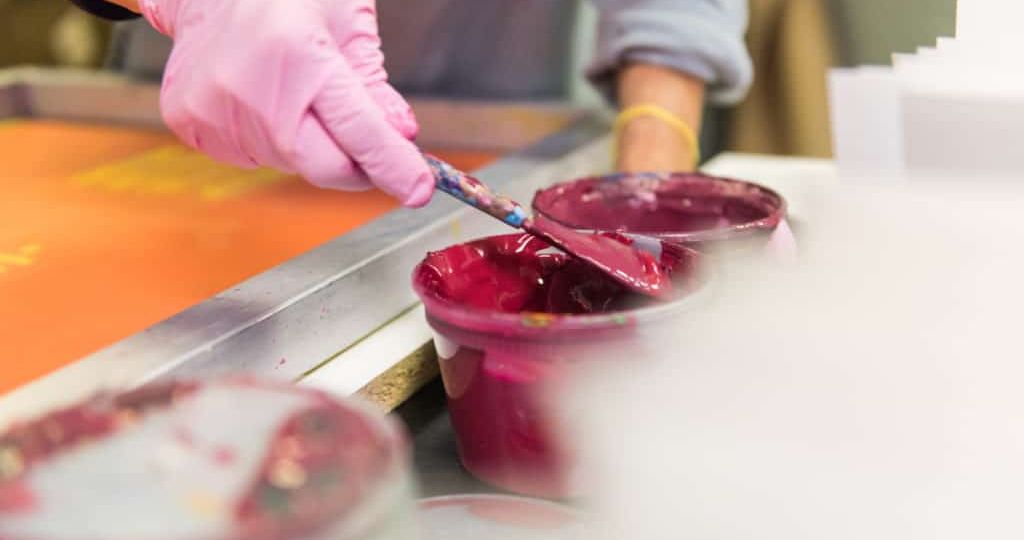
- Ink Application: The screen is placed over the fabric, and ink is applied. A squeegee is used to push the ink through the mesh onto the fabric, transferring the design. Different screens are used for each color in the design, which requires precise alignment.
- Curing: After printing, the ink needs to be cured to set it permanently. This is usually done by passing the printed items through a conveyor dryer at high temperatures.
- Quality Check: The final step is a quality check to ensure that the prints are crisp, the colors are accurate, and there are no defects in the final products.
Tips for Successful Screen-Printing
- Choose the Right Fabric: For best results, opt for 100% cotton or cotton blends, as these fabrics hold the ink well and provide a smooth surface for printing.
- Plan Ahead: Screen-printing involves multiple steps and drying times, so it’s important to plan your order well in advance of your event to avoid any last-minute rush.
- Simplify Your Design: While screen-printing can handle detailed designs, simpler designs with fewer colors often result in cleaner, more impactful prints and can reduce costs.
- Work with Professionals: Partnering with a reputable screen-printing company ensures that you get high-quality prints and can benefit from their expertise in design, color matching, and fabric selection.
- Order Samples: Before committing to a large order, request samples to see the quality of the print and make any necessary adjustments.
Conclusion
Screen-printing is a fantastic way to create personalized, high-quality clothing for any event. Its durability, cost-effectiveness, and versatility make it a go-to choice for event planners looking to make a lasting impression. By understanding the screen-printing process and following a few key tips, you can ensure that your event merchandise stands out and helps create a cohesive and memorable experience for all attendees.
Whether you’re planning a small family reunion or a large-scale corporate event, screen-printed apparel can bring your vision to life, uniting participants and leaving a lasting impression long after the event has concluded.